Showing posts with label Diet_Tips. Show all posts

Wednesday, 28 October 2015

Honey and Walnuts Benifits:

The mixture of honey and walnuts recover you from many Serious Health Problems:


Benefits of Honey and Walnuts Mixture.

Honey and walnuts can recover you from serious health problems.
you might hear a lot about the benefits of honey and walnut, but by combining these two items, you can achieve countless benefits, because both work properly against many diseases .
By combining these two items of food, we get vitamins, minerals, protein, fat and carbohydrates. Take half kg of honey and mix it with half kg of crushed walnuts, and add some lemon juice in the mixture, keep the mixture in a glass jar and eat 1 spoon three times daily.
If you have a high blood pressure problem, eat 100 grams honey and walnut in winter.
If you have headache problem, avoid medicines, and eat one or two tea spoons daily, it will strengthen your memory too.
If you suffer from stomach ulcers take 20 grams of crushed walnuts and pour into boiling water, and screen the mixture, and mix with two spoons honey, and eat two or three spoons half an hour before meal.

Thursday, 30 October 2014

Strawberries nutrition facts

Strawberries nutrition facts

Delicious, rich-red, sweet, yet gently tart strawberries are among the most popular berries. These berries are native to Europe, however, nowadays cultivated as an important commercial crop in many temperate regions all over the world. Botanically, the plant is a low-growing runner (creeper) belonging to the family of Rosaceae, in the genus: Fragaria.

Strawberry is a small, low-lying, spreading shrub. It bears small white flowers which eventually develop into small conical, light green, immature fruits. They turn red upon maturity with each berry featuring red pulp with tiny, yellow color seeds piercing through its surface from inside. Its top end carry a green leafy cap and stem that is adorning its crown. 
Each berry features conical shape, weighs about 25 grams and measures about 3 cm in diameter. The berries have the taste that varies by cultivar, and ranges from quite sweet to acidic. 
Although wild varieties are sometimes available in the market, large-scale production uses the modern "plasticulture" system. In this method, raised beds are formed each year, fumigated, and covered with plastic, which prevents weed growth and crop spoiling.

Health benefits of strawberries

  • Strawberry is low in calories (32 cal/100 g) and fats but rich source of health promoting phyto-nutrients, minerals, and vitamins that are essential for optimum health.
  • Strawberries have significantly high amounts of phenolic flavonoid phyto-chemicals called anthocyaninsand ellagic acid. Scientific studies show that consumption of these berries may have potential health benefits against cancer, aging, inflammation and neurological diseases.
  • Strawberry has an ORAC value (oxygen radical absorbance capacity, a measure of anti-oxidant strength) of about 3577µmol TE per 100 grams.
  • Fresh berries are an excellent source of vitamin-C (100 g provide 58.8 mg or about 98% of RDI), which is also a powerful natural antioxidant. Consumption of fruits rich in vitamin C helps the body develop resistance against infectious agents, counter inflammation and scavenge harmful free radicals.
  • The fruit is rich in B-complex group of vitamins. It contains very good amounts of vitamin B-6, niacin, riboflavin, pantothenic acid and folic acid. These vitamins are acting as co-factors help the body metabolize carbohydrate, proteins and fats.
  • Strawberries contain vitamin A, vitamin E and health promoting flavonoid poly phenolic antioxidants such as lutein, zea-xanthin, and beta-carotene in small amounts. These compounds help act as protective scavengers against oxygen-derived free radicals and reactive oxygen species (ROS) that play a role in aging and various disease processes.
  • Furthermore, They contain good amount of minerals like potassium, manganese, fluorine, copper, iron and iodine. Potassium is an important component of cell and body fluids that helps controlling heart rate and blood pressure. Manganese is used by the body as a co-factor for the antioxidant enzyme, superoxide dismutase. Copper is required in the production of red blood cells. Iron is required for red blood cell formation. Fluoride is a component of bones and teeth and is important for prevention of dental caries.

Orange fruit nutrition facts

Orange fruit nutrition facts

Delicious and juicy orange fruit contains an impressive list of essential nutrients, vitamins, minerals for normal growth and development and overall well-being.
Botanically; orange is the citrus fruit belonging in the Rutaceae family, of the genus; Citrus. The genus citrus also includes other related species of oranges such as pomelo, tangerine (mandarin orange), yuzu, lemon, and grapefruit. Scientific name: Citrus sinensis.

Orange is a tropical to semitropical, evergreen, small flowering tree, growing to about 5 to 8 m tall, and bears seasonal fruits that measure about 3 inches in diameter and weigh about 100-150 g. Oranges are classified into two general categories, sweet and bitter, with the former being the type most commonly consumed. Popular sweet-varieties include Valencia, Navel, Persian variety, and blood orange.
Tangerines are related varieties of oranges distinguished by loose, easily peeled shin (pericarp) and sweet juicy flesh (arils). They are also known as mandarin oranges in Europe and Satsumas in Japan. Just as oranges, these too belong to the Rutaceae (citrus Family) and known scientifically as Citrus reticulata.
Fruits belonging to the citrus group are described as “hesperidium,” (A hesperidium is a scientific term to describe the fruit structure belonging to the citrus group. In fact, the fruit is amodified berry with tough, leathery rind. Orange peel contains many volatile oil glands in pits. Interior flesh is composed of segments, called carpels, made up of numerous fluid-filled vesicles that are actually specialized hair cells).
Orange-fruit-section

Health benefits of oranges

  • Nutrients in oranges are plentiful and diverse. The fruit is low in calories, contains no saturated fats or cholesterol, but is rich in dietary fiber, pectin. Pectin, by its virtue as a bulk laxative, helps to protect the mucous membrane of the colon by decreasing its exposure time to toxic substances as well as by binding to cancer-causing chemicals in the colon. Pectin has also been shown to reduce blood cholesterol levels by decreasing its re-absorption in the colon by binding to bile acids in the colon.
  • Oranges, like other citrus fruits, are an excellent source of vitamin C (provides 53.2 mg per 100 g, about 90% of DRI); Vitamin C is a powerful natural antioxidant. Consumption of foods rich in vitamin C helps the body develop resistance against infectious agents and scavenge harmful, pro-inflammatory free radicals from the blood.
  • Orange fruit contains a variety of phytochemicals. Hesperetin, naringin, and naringenin are flavonoids found in citrus fruits. Naringenin is found to have a bio-active effect on human health as antioxidant, free radical scavenger, anti-inflammatory, and immune system modulator. This substance has also been shown to reduce oxidant injury to DNA in-vitro studies. Total antioxidant strength (ORAC) of oranges (navel variety) is 1819 µmol TE/100 g.
  • Oranges also contain very good levels of vitamin A, and other flavonoid antioxidants such as alpha andbeta-carotenesbeta-cryptoxanthinzea-xanthin and lutein. These compounds are known to have antioxidant properties. Vitamin A is also required for maintaining healthy mucus membranes and skin and is essential for vision. Consumption of natural fruits rich in flavonoids helps the body to protect from lung and oral cavity cancers.
  • It is also a very good source of B-complex vitamins such as thiamin, pyridoxine, and folates. These vitamins are essential in the sense that body requires them from external sources to replenish.
  • Orange fruit also contains a very good amount of minerals like potassium and calcium. Potassium is an important component of cell and body fluids that helps control heart rate and blood pressure through countering sodium actions.
Citrus fruits, as such, have long been valued for their wholesome nutritious and antioxidant properties. It is scientifically established fact that citrus fruits, especially oranges, by virtue of their abundance in vitamins, antioxidants, and minerals, have many proven health benefits. Moreover, it is now beginning to be appreciated that the other biologically active, non-nutrient compounds in the citrus fruits such as phyto-chemical antioxidants, soluble and insoluble dietary fiber helps in cutting risk for cancers, chronic diseases like arthritis, obesity, and coronary heart diseases.

Mango fruit nutrition facts

Mango fruit nutrition facts

“The king of the fruits," mango fruit is one of the most popular, nutritionally rich fruits with unique flavor, fragrance, taste, and heath promoting qualities, making it numero-uno among new functional foods, often labeled as “super fruits."
Mango is one of the delicious seasonal fruits grown in the tropics. The tree is believed to be originating in the sub-Himalayan plains of Indian subcontinent. Botanically, this exotic fruit belongs within the family of Anacardiaceae, a family that also includes numerous species of tropical-fruiting trees in the flowering plants such as cashew, pistachio,...etc.

Mango is a tropical tree cultivated in many regions of India, and now its farming distributed wide across the world in many continents. Usually, fruits grow at the end of a long, string like stem, with sometimes more than one fruit to a stem.
Each fruit measures 5 to 15 cms in length and about 4 to 10 cms in width, and has typical “mango” shape, or sometimes oval or round. Its weight ranges from 150 gm to around 750 gm. Outer skin is smooth and is green in un-ripe mangoes but turns into golden yellow, crimson red, yellow or orange-red when ripen depending upon the cultivar type. Fresh mango season lasts from April until August.

Mango comes in different shapes and sizes depending upon cultivar types. Internally, its flesh is juicy, orange-yellow in color with numerous soft fibrils radiating from its centrally placed flat, oval-shaped stone (enveloping a single large kidney-shaped seed). Its flavor is pleasant and rich, and tastes sweet with mild tartness. A high-quality mango fruit should feature no or very less fiber content and minimal sour taste. Mango seed (stone) may either has a single embryo, or sometimes polyembryonic.

Health benefits of Mangoes

  • Mango fruit is rich in pre-biotic dietary fiber, vitamins, minerals, and poly-phenolic flavonoid antioxidant compounds.
  • According to new research study, mango fruit has been found to protect against colon, breast, leukemia and prostate cancers. Several trial studies suggest that polyphenolic anti-oxidant compounds in mango are known to offer protection against breast and colon cancers.
  • Mango fruit is an excellent source of Vitamin-A and flavonoids like beta-carotene, alpha-carotene, andbeta-cryptoxanthin. 100 g of fresh fruit provides 765 IU or 25% of recommended daily levels of vitamin-A. Together; these compounds have been known to have antioxidant properties and are essential for vision. Vitamin A is also required for maintaining healthy mucus membranes and skin. Consumption of natural fruits rich in carotenes is known to protect the body from lung and oral cavity cancers.
  • Fresh mango is a good source of potassium. 100 g fruit provides 156 mg of potassium while just 2 mg of sodium. Potassium is an important component of cell and body fluids that helps controlling heart rate and blood pressure.
  • It is also a very good source of vitamin-B6 (pyridoxine), vitamin-C and vitamin-E. Consumption of foods rich in vitamin C helps the body develop resistance against infectious agents and scavenge harmful oxygen-free radicals. Vitamin B-6 or pyridoxine is required for GABA hormone production within the brain. It also controls homocystiene levels within the blood, which may otherwise be harmful to blood vessels resulting in CAD, and stroke.
  • Further, it composes moderate amounts of copper. Copper is a co-factor for many vital enzymes, including cytochrome c-oxidase and superoxide dismutase (other minerals function as co-factors for this enzyme are manganese and zinc). Copper is also required for the production of red blood cells.
  • Additionally, mango peel is also rich in phytonutrients, such as the pigment antioxidants like carotenoids and polyphenols.

Selection and storage

Mangoes are seasonal fruits; fresh mango fruit season begins in the month of March end, when the rich fragrance heralds its arrival in the markets.
Mangoes usually harvested while they are green but perfectly mature. Un-ripe ones are extremely sour in taste. Organic mangoes are left to ripe on the tree; however, over-ripe fruits fall off from the tree and tend to be spoiled.

In the store, mangoes come in various sizes and colors; therefore, select the one based on the serving size and variety of fruit you love to devour. “Alphanso” variety from India (Maharashtra state) and “sindhuri" (kesar) varieties from Pakistan are known for their uniqueness. Totapuri mangoes feature parrot-beak shape tips, smooth shiny and come in attractive green-yellow or orange colors. Totapuri types are best eaten raw, or while just short of full-ripe stage. The pulp features a mix of sweet and tart taste with special mint or clove-like flavors depending on the cultivars. Several US cultivars such as Hayden, and hybrids are equally popular.
Choose ones with intact skin without any bruises or cuts. Unripe mangoes can be kept at room temperature for few days, and to ripen, keep them in paper covers. Ripe fruits should be stored in the refrigerator but never below 10° F (50°C). Bring back to normal temperature when the fruit is to be eaten to get the natural taste and flavor.

Preparation and serving method of mango.

Wash mangoes in cold running water in order to remove dust and any surface pesticide residue. Mop dry its outer skin using a soft cloth. Mango fruit should be eaten all alone without any additions to experience its rich flavor.
Cut the fruit lengthwise into three pieces in such a way that the middle portion consists of husky seed. Then, slice through the skin to separate the skin from the pulp. Chop pulp into desired sections.
Alternatively, using a sharp knife, cut through the flesh on either side of the central seed. This way, you get two big haves of a mango fruit. Then, take one-half and score the flesh in a horizontal and vertical pattern taking care not to cut deep through skin. Invert the whole half to push out the cubes as shown in the picture:

Grapes nutrition facts

Grapes nutrition facts

one of widely popular, grapes are regarded in many cultures as “the queen of fruits," since centuries. These tiny berries are the storehouse of numerous health promoting phyto-nutrients such as poly-phenolic antioxidants, vitamins, and minerals. No wonder why so many of us often include them in our diet, be it in the form of fresh table fruits, dry fruits, juice, or simply in salads!
Botanically, they are small round berries that grow in clusters on a perennial and deciduous woody vine in the genus, Vitis. Grapes are native to Europe and Mediterranean regions but now widely cultivated all around the world.
In structure, each grape berry features semi-translucent flesh encased inside a smooth, thin skin. Some varieties contain edible seeds, while others are seedless. The color of the berry is because of the presence of poly-phenolic pigments in them. Red or purple berries are rich in anthocyanins while white-green berries contain more of tannins, especially, catechin. Interestingly, these antioxidant compounds are densely concentrated in the skin and seeds!
The three main species of grapes grown around the world are; European (Vitis vinifera), North American (Vitis labrusca, and Vitis rotundifolia), and French hybrids.
  • Some of popular green cultivars are Thompson seedless, sugarone, and calmeria.
  • Red varieties include emperor, red globe, cardinal, and flame seedless.
  • Concord and zinfandel are some of flavorful blue-black cultivars.
Commercially, many cultivars of grapes are grown for different purposes either to be eaten as table fruit, fresh or dried (raisin, currant, sultana) or in wine production.

Health benefits of grapes

  • Grapes are rich in polyphenolic phytochemical compound resveratrol. Resveratrol is one of the powerful anti-oxidant which has been found to play a protective role against cancers of colon and prostate, coronary heart disease (CHD), degenerative nerve disease, Alzheimer's disease and viral/ fungal infections.
  • Resveratrol reduces stroke risk by altering the molecular mechanisms inside the blood vessels. It does so, firstly by reducing susceptibility of blood vessel damage through decreased activity of angiotensin (a systemic hormone causing blood vessel constriction that would otherwise elevate blood pressure) and secondly, through increased production of the vasodilator substance, nitric oxide (a beneficial compound that causes relaxation of blood vessels).
  • Anthocyanins are another class of polyphenolic anti-oxidants present abundantly in the red grapes. These phyto-chemicals have been found to have an anti-allergic, anti-inflammatory, anti-microbial, as well as anti-cancer activity.
  • Catechins, a type of flavonoid tannin group of anti-oxidants, found in the white/green varieties have also shown to possess these health-protective functions.
  • In addition, the berries are very low in calories. 100 g fresh grapes just provide 69 calories but zero cholesterol levels.
  • Grapes are rich source of micronutrient minerals like copper, iron and manganese. Copper and manganese are an essential co-factor of antioxidant enzyme, superoxide dismutase. Iron is especially concentrated inraisins. In addition, 100 g of fresh grapes contain about 191 mg of health benefiting electrolyte,potassium.
  • They are an also good source of vitamin-C, vitamin A, vitamin K, carotenes, B-complex vitamins such as pyridoxine, riboflavin, and thiamin.

Selection and storage

Fresh grapes can be available all around the seasons. In the stores, choose those that feature plump in consistency, free from surface wrinkles with intact skin, without any cuts or cracks or leaking juice, and firmly attached to a healthy-looking green stem. Lift up the whole bunch in the air and shake gently; loose berries, if any falls off easily.
Buy exactly ripen berries; green grapes should feature slight yellowish hue; red types should be mostly pinkish-red, while purple and blue-black types should be deep and rich in color.
Since grapes tends to spoil early and ferment at room temperature, they should always be stored inside the refrigerator. Loosely wrap washed berries in a paper towel and place them in a zip pouch bag set at high relative humidity. This way, they will keep fresh inside the refrigerator for several days.

Dates nutrition facts

Dates nutrition facts

What nutrients are there in the dates? A lot indeed! Here are sweet, delicious fruits from the tropical oasis, brimming with much-needed minerals and energy to help you stay fit and healthy. 
Botanically; they are the fruits grow on the palm tree belonging to the family of Arecaceae, in the genus:Phoenix, and scientifically named as Phoenix dactylifera. The tree is believed to originate in the lands on the banks of Nile and Euphrates Rivers of ancient Egypt and Mesopotamia. Date palm is now grown extensively for its edible fruits under warmer climates across all the continents.
The date fruit is a "drupe", in which its outer fleshy part (exocarp and mesocarp) surrounds a shell (the pit or stone) of hardened endocarp with a seed inside. The fruit is oval to cylindrical in shape, 3–7 cms long, and 2–3 cms diameter, and ripe dates range from golden-yellow, amber, bright-red to deep-brown depending on the cultivar type.
There are many varieties of date palm cultivated. ‘Amir Hajj’, ‘Saidy’, 'Khadrawy' and 'Medjool' are some of the important varieties popular for their rich taste, flavor, and superior quality.


Health benefits of dates

  • Wonderfully delicious, dates are one of the most popular fruits packed with an impressive list of essential nutrients, vitamins, and minerals that are required for normal growth, development and overall well-being.
  • Fresh dates compose of soft, easily digestible flesh and simple sugars like fructose and dextrose. 100 g of mejdool dates hold 277 calories. When eaten, they replenish energy and revitalize the body instantly. For these qualities, they are being served to break the fast during Ramadan month since ancient times.
  • The fruit is rich in dietary fiber, which prevents LDL cholesterol absorption in the gut. Additionally, the fiber works as a bulk laxative. It, thus, helps to protect the colon mucous membrane from cancer-causing chemicals binding to it in the colon.
  • They contain health benefiting flavonoid polyphenolic antioxidants known as tannins. Tannins are known to possess anti-infective, anti-inflammatory, and anti-hemorrhagic (prevent easy bleeding tendencies) properties.
  • They are moderate sources of vitamin-A (contains 149 IU per 100 g), which is known to have antioxidant properties and essential for vision. Additionally, it is also required maintaining healthy mucus membranes and skin. Consumption of natural fruits rich in vitamin A is known to help protect from lung and oral cavity cancers.
  • They compose antioxidant flavonoids such as ß-carotene, lutein, and zea-xanthin. These antioxidants found to have the ability to protect cells and other structures in the body from harmful effects of oxygen-free radicals. Thus, eating dates found to offer some protection from colon, prostate, breast, endometrial, lung, and pancreatic cancers. 
  • Zea-xanthin is an important dietary carotenoid that selectively absorbed into the retinal macula lutea, where it thought to provide antioxidant and protective light-filtering functions. It thus offers protection against age-related macular degeneration, especially in elderly populations.
  • Dates are an excellent source of iron, carry 0.90 mg/100 g of fruits (about 11% of RDI). Iron, being a component of hemoglobin inside the red blood cells, determines the oxygen-carrying capacity of the blood.
  • Further, they are an excellent sources of potassium. 100 g contains 696 mg or 16% of daily-recommended levels of this electrolyte. Potassium is an important component of cell and body fluids that help regulate heart rate and blood pressure. They, thus, offers protection against stroke and coronary heart diseases.
  • Date fruits are also rich in minerals like calcium, manganesecopper, and magnesium. Calcium is an important mineral that is an essential constituent of bone and teeth, and required by the body for muscle contraction, blood clotting, and nerve impulse conduction. Manganese is used by the body as a co-factor for the antioxidant enzyme, superoxide dismutase. Copper is required for the production of red blood cells. Magnesium is essential for bone growth.
  • Further, the fruit has moderate levels of B-complex group of vitamins as well as vitamin K. It contains very good amounts of pyridoxine (vitamin B-6), niacin, pantothenic acid, and riboflavin. These vitamins are acting as cofactors help body metabolize carbohydrates, protein, and fats. Vitamin K is essential for many coagulant factors in the blood as well as in bone metabolism.

Selection and storage

Dates can be readily available in the groceries year around. Some varieties of fresh, soft, good-quality fruits, however, only found from September through December. In certain dry regions of Africa, dates gathered while just reaching maturity and allowed to ripen inside the jars.
In the stores, one may come across soft, semi-dry, and dried types display for sale. At home, store them at room temperature in cool place, inside an air-seal container where they stay can well for several months.

Preparation and serving method

High quality dates generally handpicked directly from the fruit-bunch and sold as premium variety in the markets. On a commercial scale, most are harvested by cutting the entire cluster, fumigated, cleaned, graded, packed, stored under refrigeration, and released to markets according to demand.
Here are some serving tips:
  • Dry and soft dates are usually eaten out-of-hand.
  • They can be stuffed with fillings such as almonds,walnuts, candied orange and cream cheese.
  • They can also be chopped and added to fruit salad and in a range of sweet and savory dishes.
  • Dates are also being used to prepare juice and Jallab(a type of syrup popular in the Middle East and made from dates, grape molasses, and rose water).

Blackberries nutrition facts

Blackberries nutrition facts

Sweet, succulent blackberries are summer delicacies in the northern temperate regions. As in raspberries, they grow on shrubs known as brambles in the vast Rosaceae family bush berries. The plant is native to Europe and now grown at a commercial scale from North America, particularly in the USA, to as far as Siberia.
Binomially, the plant is a small perennial shrub belonging to the family Rosaceae, of the genus: Rubus. Botanical name: Rubus fruticosus.

Depending up on cultivar type, blackberry bush can be classified into erect, semi-erect and trailing types. Erect type bush generally features cane thorns and spreads by root suckers (which send cane shoots) along hedgerows, whereas, trailing shrubs require a trellis to support growth, and they spread by fresh shoots known as canes or primocanes. In the second year, these primocanes become floricanes. White or pink flowers appear in the floricanes.
Technically, the berry is an aggregate fruit consisting of small drupelets arranged in circular fashion. Each drupelet composes of juicy pulp with single tiny seed. The berry measures about 3-4 cm in length containing about 80-100 drupelets.
Loganberries and phenomenon-berries are hybrids between blackberry and red raspberry. Several other bramble berries such as boysenberry, nessberry, youngberry, marionberry etc., are hybrids of dewberry, blackberry, and wild raspberry cultivars.

Health benefits of bllackberries

  • As in other kinds of bush berries, blackberries too are packed with numerous plant nutrients such as vitamins, minerals, anti-oxidants, and dietary fibers that are essential for optimum health.
  • The berries are very low in calories. 100 g provide just 43 calories. Nonetheless, they are rich in soluble and insoluble fiber (100 g whole berries consist of 5.3 g or 14% RDA of fiber). Xylitol, a low-calorie sugar substitute in the fruit fiber, absorbs more slowly than glucose inside the gut, and thus does not cause rapid fluctuations in blood sugar levels.
  • Blackberries compose significantly high amounts of phenolic flavonoid phytochemicals such asanthocyanins, ellagic acid, tannin), quercetin, gallic acid, cyanidins, pelargonidins, catechins, kaempferoland salicylic acid. Scientific studies show that these antioxidant compounds may have potential health benefits against cancer, aging, inflammation, and neurological diseases.
  • Fresh berries are an excellent source of vitamin-C (100 g of berries contain 23 mg or 35% of RDA), which is a powerful natural antioxidant. Consumption of fruits rich in vitamin C helps develop resistance against infectious agents, counter inflammation, and scavenge harmful free radicals from the human body.
  • They contain adequate levels of vitamin A, vitamin E, and vitamin K (16% of RDA/100 g) and in addition; they are rich in much other health promoting flavonoid poly-phenolic antioxidants such as lutein, zea-xanthin, and ß-carotene in small amounts. Altogether, these compounds help act as protective scavengers against oxygen-derived free radicals and reactive oxygen species (ROS) that play a role in aging and various disease processes.
  • Blackberries have an ORAC value (oxygen radical absorbance capacity, a measure of anti-oxidant strength) of about 5347µmol TE per 100 grams.
  • Further, blackberries contain a good amount of minerals like potassium, manganese, copper, and magnesium. Copper is required in the bone metabolism as well as in production of white and red blood cells.
  • They contain moderate levels of B-complex group of vitamins. It contains very good amounts of pyridoxine, niacin, pantothenic acid, riboflavin, and folic acid. These vitamins are acting as cofactors help the body metabolize carbohydrates, proteins, and fats.

Selection and storage

Blackberry season generally lasts from June to September. Fresh berries are either handpicked or harvested using machines in large-scale farms. In general, the berries are ready to be harvested when they come off the receptacle easily and have turned to deep color. At the stage when they are supposed to be the most ripen and sweetest.
In the stores, choose fresh berries featuring bright, shiny, completely black, and plump in constancy. In general, the berries are packed in a firm box, spread out evenly in a single layer.
Avoid unripe (purple), overripe, bruised, damaged and mushy berries. In general, the berries are highly perishable and sensitive to handling. At home, use them as soon as possible.
To store, place them in the refrigerator, they stay fresh for up to 4-5 days.

Preparation and serving methods

Fresh blackberries can be eaten out of hand directly from the bush. If you purchase from the store, they are best used immediately. To prepare; do not wash them until ready to use. Just rinse in a bowl of cold water, swish around to remove surface dirt. Gently lift out and pat dry using an absorbent towel. This method will also help bring them to normal room temperature, increases their flavor and enriches the taste.

Banana fruit nutrition facts

Banana fruit nutrition facts

Go for banana fruit; nature's own energy-rich food that comes in a safety envelope! Fresh, creamy, and delicious dessert bananas are one of the cheapest and easily available year around.
Botanically, the fruit belongs to the family of Musaceae. Commercially, it is one of the widely cultivated crops in the tropical and subtropical zones. Scientific name: Musa acuminata colla.
Banana is a perennial herbaceous plant that grows from the underground rhizome. It flourishes well under tropical, moisture-rich, humid, low-lying farmlands. 

Banana has unique growth characteristics. In fact, the whole plant is a false stem (pseudostem). Its stem consisting of broad leaves together with their long petioles overlapping around each other in a disc-like fashion standing up to 2 to 6 meters tall from the ground surface depending upon the cultivar types. At maturity, the rhizome gives rise to a flower (inflorescence) that is carried up on a long smooth un-branched stem (true) through the centre of the pseudo-stem which finally emerges out at the top in between the leaf cluster. The flower subsequently develops to a huge hanging bunch, consisting of 3 to 20 hands (tiers), each with at least 5-10 fingers (fruits) in each hand (tier).
There are several cultivars of banana comes in different sizes (4”-9”inch), color (yellow to brown), weight (70-150g) and taste. Structurally, it has a protective outer skin and delicious, sweet and tart, creamy-white color edible flesh inside.
Plantains are other cultivar types, more often known as cooking bananas. They are closely related to the familiar fruit banana or dessert banana. Plantains are used as a staple diet in Thailand, Laos, and other Southeast Asian as well as in many parts of tropical African and Caribbean regions.

Health benefits of banana fruit

  • Banana fruit is one of the high calorie tropical fruits. 100 g of fruit provides 90 calories. Besides, it contains good amounts of health benefiting anti-oxidants, minerals, and vitamins.
  • Banana pulp is composed of soft, easily digestible flesh with simple sugars like fructose and sucrose that when eaten replenishes energy and revitalizes the body instantly; thus, for these qualities, bananas are being used by athletes to get instant energy and as supplement food in the treatment plan for underweight children.
  • The fruit holds a good amount of soluble dietary fiber (7% of DRA per 100 g) that helps normal bowel movements; thereby reducing constipation problems.
  • It contains health promoting flavonoid poly-phenolic antioxidants such as lutein, zea-xanthin, ß and α-carotenes in small amounts. These compounds help act as protective scavengers against oxygen-derived free radicals and reactive oxygen species (ROS) that play a role in aging and various disease processes.
  • It is also a very good source of vitamin-B6 (pyridoxine), provides about 28% of daily-recommended allowance. Pyridoxine is an important B-complex vitamin that has a beneficial role for the treatment of neuritis, and anemia. Further, it helps decrease homocystine (one of the causative factors in coronary artery disease (CHD) and stroke episodes) levels within the body.
  • The fruit is an also a moderate source of vitamin-C (about 8.7 mg per 100g). Consumption of foods rich in vitamin-C helps the body develop resistance against infectious agents and scavenge harmful oxygen-free radicals.
  • Fresh bananas provide adequate levels of minerals like copper, magnesium, and manganese. Magnesium is essential for bone strengthening and has a cardiac-protective role as well.  Manganese is used by the body as a co-factor for the antioxidant enzyme, superoxide dismutase. Copper is required in the production of red blood cells.
  • Fresh banana is a very rich source of potassium. 100 g fruit provides 358 mg potassium. Potassium is an important component of cell and body fluids that helps control heart rate and blood pressure, countering bad effects of sodium.

Selection and storage.

Once ripened, bananas are very fragile and start decaying in short time. In the field, mature bananas generally harvested while they are still in the green (firm and raw) stage as it enables them for easier transportation.
In order to ripen, they are usually subjected to ethylene spray or kept in close proximity with other ripened fruits. 
In the stores, choose banana fruits based on when you want to use them; greener ones should last for more days, while yellow and brown-spotted bananas should be eaten in a few days.
Ready to eat bananas should be bright yellow, and emanate rich fruity fragrance. Ripe fruit peels off easily. Ripened, fresh bananas are nutritionally enriched and sweeter in taste than the raw green ones.
Avoid mushy or damaged bananas, as they are un-appealing.

Preparation and Serving methods

Bananas come with nature gifted protective outer layer of skin, therefore, are less likely to be contaminated by germs and dust.
  • Eat banana as it is without any additions. Just discard the peel and enjoy!
  • Banana fruit sections are a great addition to the fruit salads.
  • Fresh "banana-milkshake" with sugar syrup is a refreshing drink.
  • Bananas have also been used in the making of fruit jams.
  • Grilled banana fruit can be served on cake/ ice cream in the Caribbean style dessert.
  • Banana chips (plantain) are a snack produced from dehydrated or fried banana or plantain slices.
  • Mash ripe banana fruits and add to cakes, casseroles, muffins, bread pudding, etc.
  • Plantain is raw unripe banana that is used as vegetable in recipes.

Safety profile

Banana fruits are sometimes known to cause skin and systemic allergic reactions. The fruit may be the cause of "oral allergy syndrome" in which, the symptoms may include itching and swelling around the mouth or throat within hours after ingestion and the condition may be related to birch tree and other pollen allergies.
The other type of reaction is related to latex allergies and causes urticaria and potentially serious gastrointestinal symptoms like nausea, vomiting, and diarrhea. (Medical disclaimer).

Apple Benefits and storage tips.

Apple fruit nutrition facts


Delicious and crunchy, apple fruit is one of the most popular and favorite fruits among the health conscious, fitness lovers who firmly believe in the concept of “health is wealth.” This wonderful fruit is packed with rich phyto-nutrients that, in the true sense, indispensable for optimal health. The antioxidants in apple have several health promoting and disease prevention properties, and thereby, truly justifying the adage, “an apple a day keeps the doctor away.”
Scientific name: Malus domestica.

Apples are obtained from the medium-sized tree belonging to the 
Rosaceae family. The apple tree is thought to be originated in the mineral-rich mountain ranges of Kazakhstan, and today, being cultivated in many parts of the world.

Apple fruit features oval or pear shape. Its outer peel has different colors depending upon the cultivar type. Internally, its crispy, juicy pulp is off-white to cream in color, and has a mix of mild sweet and tart flavor. Its seeds are bitter in taste, and therefore, inedible.
Hundreds of varieties of apples that are meant to be used either as table or dessert apples or in cooking grown in the US and worldwide. Cooking apples tend to be larger in size, crispier, and tarter than dessert types.

Health benefits of apple

  • Delicious and crunchy apple fruit is notable for its impressive list of phtyto-nutrients, and anti-oxidants. Studies suggest that its components are essential for optimal growth, development, and overall wellness.
  • Apples are low in calories; 100 g of fresh fruit slices provide only 50 calories. They, however, contain no saturated fats or cholesterol. Nonetheless, the fruit is rich in dietary fiber, which helps prevent absorption of dietary-LDL or bad cholesterol in the gut. The fiber also saves the colon mucous membrane from exposure to toxic substances by binding to cancer-causing chemicals inside the colon.
  • Apples are rich in antioxidant phyto-nutrients flavonoids and polyphenolics. The total measured anti-oxidant strength (ORAC value) of 100 g apple fruit is 5900 TE. Some of the important flavonoids in apples are quercetin, epicatechin, and procyanidin B2. Additionally, they are also good in tartaric acid that gives tart flavor to them. Altogether, these compounds help the body protect from deleterious effects of free radicals.
  • Apple fruit contains good quantities of vitamin-C and beta-carotene. Vitamin C is a powerful natural antioxidant. Consumption of foods rich in vitamin C helps the body develop resistance against infectious agents and scavenge harmful, pro-inflammatory free radicals from the body.
  • Further, apple fruit is a good source of B-complex vitamins such as riboflavin, thiamin, and pyridoxine (vitamin B-6). Together, these vitamins help as co-factors for enzymes in metabolism as well as in various synthetic functions inside the body.
  • Apples also carry a small amount of minerals like potassium, phosphorus, and calcium. Potassium is an important component of cell and body fluids helps controlling heart rate and blood pressure; thus, counters the bad influences of sodium.

Selection and Storage

Fresh apples can be readily available in the stores all around the season. Choose fresh, bright, firm textured apples with rich flavor. Avoid fruits with pressure marks over their surface as they indicate underlying mottled pulp.
Fresh apples can be kept at room temperature for few days and stored inside the refrigerator for upto two to three weeks. Wash them in clean running cold water before use.

Preparation and Serving tips

Wash apples thoroughly in the running water to remove any surface dust, insecticide/fungicide sprays. Trim off its top end using a paring knife, and cut the fruit into two equal halves. Take out tiny, centrally placed, bitter seeds. Slice the fruit into desirable cubes or slices.

Here are some serving tips:
  • Eat apple fruit as it is along with its peel in order to get maximum health-benefits.
  • Sliced apple turns brown (enzymatic brownish discoloration) on exposure to air due to conversion in iron form from ferrous oxide to ferric oxide. If you have to serve them sliced, rinse slices in water added with few drops of fresh lemon.
  • Cloudy as well as clear apple juice is a healthy alternative drink with dinner.
  • Apple fruit is also used in the preparation of fruit jam, pie, and fruit salads.

Fruit nutrition facts

Fruit nutrition facts

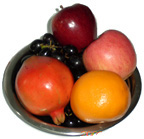
fruitsWelcome to the fruit nutrition page.different berries in a basket

Why fruits?

Fruits are nature’s wonderful gift to the mankind; indeed, they are medicines packed with vitamins, minerals, anti-oxidants and many phyto-nutrients (Plant derived mi nutrients They are an absolute feast to our sight, not just because of their color and flavor but for their unique nutrition-profile that help human body free of diseases and keep healthy!
  1. Fruits are low in calories and fat and are a source of simple sugars, fiber, and vitamins, which are essential for optimizing our health.
  2. Fruits provide plenty of soluble dietary fiber, which helps to ward off cholesterol and fats from the body and to help in smooth bowel movements as well as relief from constipation ailments.
  3. Fruits compose of many anti-oxidants such as poly-phenolic flavonoids, vitamin-C, and anthocyanins. These compounds, firstly, help human body protected from oxidant stress, diseases, and cancers, and secondly; help the body develop capacity to fight against these ailments by boosting our immunity level. Many fruits, when compared to vegetables and cereals, have very high anti-oxidant values, which is measured in terms of their "Oxygen Radical Absorbent Capacity" or (ORAC).
  4. Anthocyanins are flavonoid category of poly-phenolic compounds found in some "blue-fruits" like blue-black grapes, mulberries, acai berry, chokeberry, blueberries, blackberries, and in many vegetables featuring blue or deep purple pigments. Consumption of fruits rich in blue pigments offers many health benefits. These compounds have potent anti-oxidant properties that help remove free radicals from the body, and thus offer protection against cancers, aging, infections, etc. Majority of these pigments in the fruits tend to concentrate just underneath their skin.
  5. Fruit’s health benefiting properties are because of their richness in vitamins, minerals, micro-nutrients, pigment anti-oxidants.  Altogether, these compounds help the body prevent or at least prolong the natural changes of aging by protecting from damage and rejuvenating cells, tissues, and organs. Their overall benefits are manifold! Fruit nutrition benefits are emormous! Including fruits in daily diet, you are protecting yourself from minor ailments like wrinkling of skin, hair-fall, and memory loss to major ailments like age-related macular degeneration (AMRD) of the retina in the eyes, Alzheimer’s disease, colon cancers, weak bones (osteoporosis)…etc., and the list of fruit nutrition benefits simply never ends.

How much fruit nutrition should be included in our daily diet?

Research studies suggest that one may eat any servings of fruits daily. It is recommended to eat at least 2-3 servings of fresh fruits every day.
The term one fruit serving is about 250 g of cleaned, edible-portion of the fruit, excluding discards like peel, seeds, etc.
Include seasonal fruits in the daily diet. Variety of fruit's type, color, and flavor should be encouraged to get maximum health benefits. Yellow and orange color fruits are rich sources of α and β carotenes, zea-xanthin and crypto-xanthin, while blue, black colored like black or blueberries are a good source of poly-phenolic anthocyanin anti-oxidants.

Selection of fruits

To avail maximum fruit nutrition benefits eat organic produce. Many "wild" varieties of berries and "tropical tree" fruits have still not treated with any kind of fertilizers or chemicals and can be readily purchased from local farm owners. Organic fruits tend to be smaller; however, they feature special flavor and richness in vitamins, minerals and stuffed with numerous anti-oxidants.
In the store, however, choose fruits that feature freshness, bright in color and flavor and feel heavy in your hands. Look carefully for blemishes, spots, molds, and signs of insecticide spray. Buy whole fruits instead of section of them (for example, buy a small size watermelon instead of a section of big size melon).

Dry fruits

Dry fruits are rich source of nutrients such as vitamins and minerals. Consumption of some dry fruits daily enhances the overall bioavailability of nutrients. Try raisins (dried grapes), apricots, dates, figs, tamarind..., which are indeed very good in iron, calcium, zinc, selenium and manganese. In addition, mixing dry fruits with some fresh fruits would help you get vitamin C which in-turn facilitates complete absorption of iron inside the stomach.

How to use fruits?

Barring few fruits like berries, try to wash them soon after shopping. Rinse them in salt water for few minutes and then wash in cool running water until you are satisfied with complete cleanliness. This way, you make sure that the fruit you eat is rid-off dust, sand and any residual chemical spray. Eat them while they are fresh because, certain fruits have very short shelf life and the health benefiting properties of fruit declines with time. If you need to store them, place them in plastic wrappings or in zip pouches to keep them fresh for short periods until you use them. Eat fruits as a whole without any additions to get their original flavor, taste, and to get maximum fruit nutrition benefits.
If you need to store them, place them in plastic wrappings or in zip pouches to keep them fresh for short periods until you use them. Eat fruits as a whole without any additions to get their original flavor, taste, and to get maximum fruit nutrition benefits.

Why is it Important to Eat Fruit?

Why is it Important to Eat Fruit?

Eating fruit provides health benefits — people who eat more fruits and vegetables as part of an overall healthy dietare likely to have a reduced risk of some chronic diseases. Fruits provide nutrients vital for health and maintenance of your body.
  • Health BenefitsFruit basket

    • Eating a diet rich in vegetables and fruits as part of an overall healthy diet may reduce risk for heart disease, including heart attack and stroke.
    • Eating a diet rich in some vegetables and fruits as part of an overall healthy diet may protect against certain types of cancers.
    • Diets rich in foods containing fiber, such as some vegetables and fruits, may reduce the risk of heart disease, obesity, and type 2 diabetes.
    • Eating vegetables and fruits rich in potassium as part of an overall healthy diet may lower blood pressure, and may also reduce the risk of developing kidney stones and help to decrease bone loss.
    • Eating foods such as fruits that are lower in calories per cup instead of some other higher-calorie food may be useful in helping to lower calorie intake.
  • NutrientsGrapefruit

    • Most fruits are naturally low in fat, sodium, and calories. None have cholesterol.
    • Fruits are sources of many essential nutrients that are under consumed, including potassium, dietary fiber, vitamin C, and fol ate (folic acid).
    • Diets rich in potassium may help to maintain healthy blood pressure. Fruit sources of potassium include bananas, prunes and prune juice, dried peaches and apricots, cantaloupe, honeydew melon, and orange juice.
    • Dietary fiber from fruits, as part of an overall healthy diet, helps reduce blood cholesterol levels and may lower risk of heart disease. Fiber is important for proper bowel function. It helps reduce constipation and diverticulosis. Fiber-containing foods such as fruits help provide a feeling of fullness with fewer calories.Whole or cut-up fruits are sources of dietary fiber; fruit juices contain little or no fiber.
    • Vitamin C is important for growth and repair of all body tissues, helps heal cuts and wounds, and keeps teeth and gums healthy.
    • Folate (folic acid) helps the body form red blood cells. Women of childbearing age who may become pregnant should consume adequate folate from foods, and in addition 400 mcg of synthetic folic acid from fortified foods or supplements. This reduces the risk of neural tube defects, spina bifida, and anencephaly during fetal development.